The Unfolding Climate Drama: A Super El Niño on the Horizon?
The vast expanse of the Pacific Ocean near the equator functions as a monumental climate engine, ceaselessly pushing and pulling heat into the atmosphere. This dynamic interplay between warmer and cooler ocean conditions is scientifically known as the El Niño-Southern Oscillation (ENSO) cycle. ENSO is a critical determinant of global weather patterns, influencing everything from regional temperatures to the intensity of hurricane seasons. While its phases—La Niña, El Niño, and ENSO-neutral—are a natural part of Earth's climate, the prospect of a Super El Niño is capturing the attention of scientists and communities worldwide, raising concerns about unprecedented global impacts.
As we delve into the intricate dance of ocean and atmosphere, understanding the nuances of ENSO becomes paramount. Recent climate discussions and advanced modeling point towards a significant shift in this cycle, with forecasts suggesting a heightened probability of a strong El Niño event taking hold. The implications of such a shift, particularly if it escalates into a "Super" event, are far-reaching, promising to redefine weather patterns and present substantial challenges across continents.
Understanding the Pacific's Climate Engine: ENSO Explained
To grasp the potential significance of a Super El Niño, it's essential to first understand the three core phases of the ENSO cycle:
- La Niña: Characterized by cooler-than-normal sea surface temperatures across the central and eastern equatorial Pacific. This phase often brings distinct weather patterns, such as increased rainfall in parts of Southeast Asia and Australia, and drier conditions in the southern United States.
- El Niño: The antithesis of La Niña, marked by warmer-than-normal sea surface temperatures in the same equatorial Pacific region. El Niño events typically lead to elevated global temperatures and a wide array of atmospheric responses, including altered rainfall patterns, shifts in ocean currents, and significant impacts on marine ecosystems.
- ENSO-neutral: An intermediary phase where sea surface temperatures are neither significantly warmer nor cooler than average. During ENSO-neutral periods, other climate factors often play a more dominant role in shaping regional weather. However, it's also a transitional state, often preceding a shift towards either El Niño or La Niña.
When an El Niño event strengthens significantly, it not only heats the equatorial Pacific but also acts as a global thermostat, pushing up average global temperatures. These particularly powerful versions, like those seen in historic records, are often termed "Super El Niño" events, signifying their immense intensity and widespread influence.
From La Niña's Grip to El Niño's Embrace: The Current Climate Shift
Recent climate diagnostics from agencies like NOAA (National Oceanic and Atmospheric Administration) have been closely tracking a crucial transition. As of early 2026, the world was still under the influence of La Niña, with below-average sea surface temperatures evident in the eastern and central Pacific. This was the unmistakable signature of the cool phase.
However, beneath the surface, a compelling story was unfolding. Scientists observed a significant increase in warmer water spreading eastward toward the central Pacific. This subsurface heat buildup is a critical precursor, acting as a "key ingredient" that can trigger a shift towards El Niño conditions. NOAA scientists projected that La Niña was likely to dissipate between February and April 2026, with a high probability (around 60 percent) of transitioning into ENSO-neutral conditions.
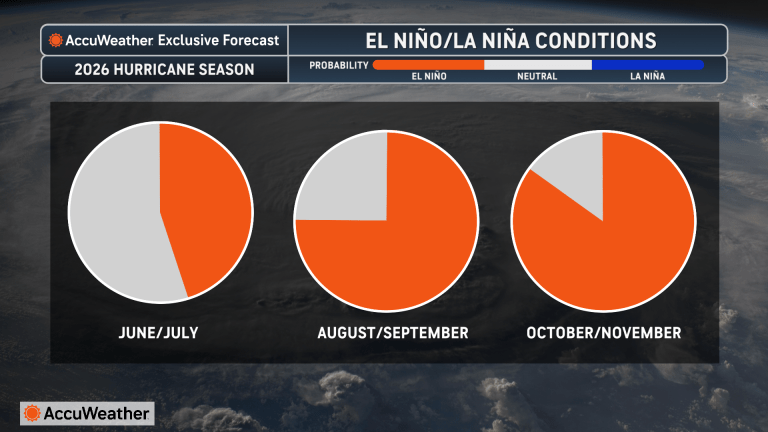
While ENSO-neutral doesn't carry the strong climatic signals of its warmer or cooler counterparts, it sets the stage. It creates an environment where El Niño can more easily develop later, particularly if this underlying ocean warming persists and intensifies. Forecasts from NOAA's Climate Prediction Center and other global climate models corroborate this trajectory. They indicate a strong likelihood of ENSO-neutral conditions prevailing through at least the Northern Hemisphere summer (June-August 2026), with the chances of El Niño formation increasing substantially in the latter half of the year. Some model averages suggest probabilities exceeding 50%, sometimes even reaching 60%, for El Niño to be more likely than not by late summer or early autumn.
This evolving scenario highlights the complex dynamics at play in the Pacific, underscoring why climate scientists are maintaining a vigilant watch. For a deeper dive into this transition, read our detailed analysis: From La Niña to Super El Niño: 2026's Climate Shift Explained.
What Defines a Super El Niño and Why 2026 is on Watch
The term "Super El Niño" isn't merely a colloquialism; it refers to an El Niño event of exceptional strength, ranking among the most intense ever recorded. These colossal events typically cause profound and widespread global weather shifts that impact billions. History offers stark reminders of their power, with past Super El Niño events occurring in:
- 1982-1983: This event led to devastating droughts in Australia and parts of Africa, severe flooding in South America, and significant disruptions to global fisheries.
- 1997-1998: Another powerful event that brought widespread extreme weather, including intense rainfall in California, droughts in Southeast Asia, and a particularly active hurricane season in the Pacific.
- 2015-2016: One of the strongest on record, this Super El Niño contributed to record-breaking global temperatures, severe droughts in parts of Africa and Asia, and bleaching events in coral reefs worldwide.
The current watch on 2026 stems from the confluence of weakening La Niña conditions and the persistent subsurface heat building in the Pacific. While scientists cannot definitively declare that 2026 *will* be a Super El Niño year – as the precise magnitude of ocean surface warming remains uncertain – the signs are significant. The warming waters in the equatorial Pacific, combined with robust model predictions, lend credence to the possibility that an El Niño developing this summer could indeed evolve into a "Super" event by year-end. NOAA's updated advisories underscore this rising probability, pointing to the sustained eastward movement of warm water from the western Pacific.
This ongoing observation and sophisticated climate modeling are crucial in anticipating and preparing for potential impacts. For further insights into the scientific predictions and NOAA's statements, consider: El Niño in 2026: Is a 'Super' Event Possible? What NOAA Says.
Global Ripple Effects: Anticipating the Impacts of a Super El Niño
A Super El Niño is more than just warmer ocean temperatures; it's a profound climate disruption with far-reaching consequences across virtually every sector:
- Elevated Global Temperatures: Super El Niños are strongly correlated with record-breaking global heat. The immense heat released from the tropical Pacific significantly contributes to warming the planet, potentially leading to widespread heatwaves and exacerbating existing climate change impacts.
- Altered Precipitation Patterns: This is where impacts become highly regionalized. Some areas, like parts of South America and the southern United States, may experience above-average rainfall, leading to floods and landslides. Conversely, regions such as Southeast Asia, Australia, and parts of Africa often face severe droughts, impacting agriculture, water resources, and increasing wildfire risks.
- Disrupted Agricultural Cycles: Farmers globally are highly dependent on predictable weather patterns. A Super El Niño can bring unprecedented challenges, from crop failures due to drought or excessive rain, to pest outbreaks and changes in growing seasons, threatening food security and commodity prices.
- Impacts on Marine Life: Warmer ocean temperatures can lead to widespread coral bleaching, disrupting entire marine ecosystems. Fisheries can also be severely affected as fish populations migrate to cooler waters or suffer from reduced food sources.
- Health Implications: Extreme heat can lead to heat-related illnesses. Droughts can exacerbate respiratory problems due to dust and wildfires, while floods can increase waterborne diseases and mosquito-borne illnesses like dengue and malaria in affected regions.
- Economic Volatility: The combined effects on agriculture, water availability, infrastructure damage from extreme weather, and disruptions to shipping and energy production can lead to significant economic losses and volatility in global markets.
Understanding these diverse impacts is the first step towards building resilience in the face of such a formidable climate event. The sheer scale and interconnectedness of these effects underscore the importance of global monitoring and coordinated responses.
Preparing for a Volatile Future: Practical Steps and Insights
While the exact intensity and specific regional impacts of a potential Super El Niño remain uncertain, proactive planning and informed decision-making are crucial. Here are some practical steps for individuals, communities, and industries:
- Stay Informed: Regularly consult official climate and weather advisories from reputable sources like NOAA, local meteorological services, and international climate organizations. Understanding the forecast for your specific region is paramount.
- Water Management: In areas prone to drought during El Niño, practice rigorous water conservation. This includes fixing leaks, reducing outdoor watering, and exploring rainwater harvesting. Conversely, areas expecting heavy rainfall should prepare for potential flooding by clearing drains and securing properties.
- Emergency Preparedness: Develop household emergency plans, including evacuation routes, emergency kits (food, water, medicine, first aid), and communication strategies. Be ready for potential power outages or disruptions to services.
- Agricultural Adaptation: Farmers should consider planting drought-resistant crops or those suited to heavier rainfall, adjust planting schedules, and implement efficient irrigation techniques. Diversifying crops can also mitigate risks.
- Infrastructure Assessment: Local governments and utility companies should assess critical infrastructure for resilience against extreme weather, whether it's drought-induced stress on water systems or flood protection for roads and bridges.
- Health Vigilance: Be aware of potential health risks specific to your region. This might involve preparing for heatwaves, preventing mosquito breeding in areas with increased rainfall, or ensuring access to clean drinking water.
- Community Resilience: Engage in community-level discussions and planning. Sharing resources, establishing neighborhood watch programs for flood or fire, and supporting local relief efforts can strengthen collective resilience.
The unpredictable nature of extreme weather events associated with a Super El Niño demands a flexible and adaptive approach. By taking these proactive measures, we can better safeguard lives, livelihoods, and natural resources against the potential challenges that lie ahead.
Conclusion: Vigilance in the Face of Climate Uncertainty
The scientific community's increasing watch for a potential Super El Niño in the coming years is a reminder of the Pacific Ocean's immense power as a climate driver. From the subtle dance of subsurface warming to the profound shifts in global weather patterns, the ENSO cycle is a critical factor shaping our planet's future. While the full extent of a developing El Niño's strength, and its potential to reach "Super" status, remains under careful observation, the increasing probabilities highlighted by climate models underscore the urgency of preparedness.
Understanding these complex climatic phenomena, staying informed through reliable sources, and implementing adaptive strategies are essential steps for individuals, communities, and nations alike. By fostering vigilance, promoting resilience, and engaging in collaborative efforts, we can better navigate the significant challenges and adapt to the volatile future that a powerful El Niño event may usher in.